Knee injuries can be debilitating, affecting your mobility and quality of life. When it comes to knee injury rehabilitation, understanding the process is essential to ensuring a full recovery. Between 1999 and 2008, studies estimate there were over 6.6 million knee injuries in the United States alone. These injuries often require a comprehensive rehabilitation plan to restore function and prevent future complications. Physical therapy is crucial in this process, offering personalized treatment plans that target the root causes of the injury and facilitate optimal recovery.
What is a Knee Injury? Symptoms and Common Causes
Knee injuries refer to any damage sustained by the knee joint. These injuries can include damage to ligaments, tendons, cartilage, or bones. The most common symptoms of knee injury include pain, swelling, stiffness, and difficulty bearing weight. These symptoms can significantly hinder your ability to perform daily activities, making prompt and effective treatment essential.
Knee injuries often occur due to sudden trauma, such as a fall or collision, but can also develop gradually from overuse or repetitive stress.
Common Causes of Knee Injuries
Trauma or Direct Impact
- Trauma from accidents, sports injuries, or falls is a leading cause of knee injuries. A direct blow to the knee can result in fractures, ligament tears (such as the ACL), or cartilage damage. These injuries often lead to immediate pain, swelling, and difficulty moving the knee. In severe cases, trauma can cause long-term instability or chronic pain if not treated promptly.
Overuse and Repetitive Strain
- Repeated stress from certain activities, including running, jumping, or cycling, can lead to overuse injuries. Conditions such as tendinitis, where the tendons around the knee become inflamed, or patellofemoral pain syndrome, commonly known as “runner’s knee,” are frequent outcomes. Overuse injuries develop gradually and can result in persistent discomfort and limited mobility if not addressed early.
Degenerative Conditions
- Osteoarthritis, a common degenerative condition, is caused by the gradual wearing down of cartilage in the knee joint. This condition often affects older adults but can also occur in younger individuals with previous knee injuries. Osteoarthritis leads to pain, stiffness, and reduced range of motion, making daily activities challenging.
Structural Issues or Misalignment
- Misalignment of the knee joint, such as knock knees (valgus alignment) or bow legs (varus alignment), can predispose individuals to knee injuries. Structural abnormalities can place uneven pressure on the knee joint, increasing the risk of ligament tears, meniscal injuries, and cartilage damage. Misalignment can result in chronic pain and instability if not corrected.
Knee Injury Rehabilitation: How Physical Therapy Can Help
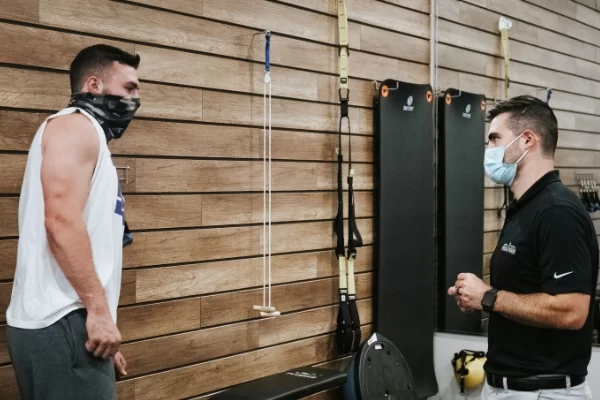
Physical therapy is essential in knee injury rehabilitation, helping patients recover strength, flexibility, and mobility. When you begin physical therapy, you can expect a thorough evaluation of your knee’s condition, followed by a personalized treatment plan tailored to your needs.
Treatment Methods and Techniques
Strengthening Exercises
- Strengthening exercises are essential for knee rehabilitation. Physical therapists focus on strengthening the muscles around the knee, particularly the quadriceps, hamstrings, and calves. Stronger muscles help support the knee joint, reduce ligament strain, and improve overall stability. Exercises may include leg presses, hamstring curls, and calf raises, all tailored to the patient’s specific needs and injury.
Range of Motion and Flexibility Exercises
- Restoring the knee’s full range of motion is crucial for optimal recovery. Physical therapists guide patients through exercises that improve flexibility in the knee joint, helping to reduce stiffness and prevent scar tissue formation. Techniques like passive range of motion exercises, where the therapist moves the joint for the patient, and active exercises, where the patient moves the joint, are commonly used.
Manual Therapy Techniques
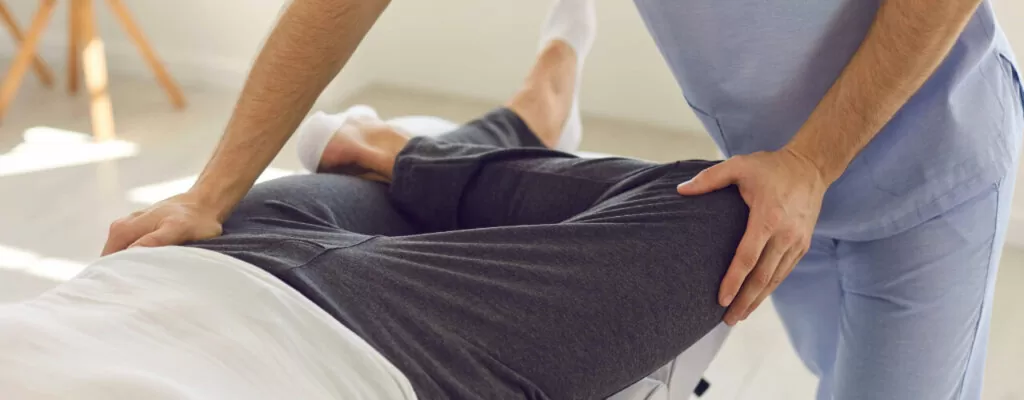
- Manual therapy involves hands-on techniques to mobilize the knee joint and surrounding tissues. These techniques can include joint mobilizations, soft tissue manipulation, and myofascial release to reduce pain, improve mobility, and enhance circulation. Manual therapy is often combined with other treatment methods to provide comprehensive care.
Balance and Proprioception Training
- Balance and proprioception exercises help improve the body’s awareness of its position in space, which is vital for preventing re-injury. Physical therapists use tools, including balance boards, stability balls, and single-leg exercises, to enhance coordination and stability. This training helps patients regain confidence in their knee’s ability to support them during daily activities and sports.
Patient Education and Lifestyle Modifications
- Educating patients on proper body mechanics, posture, and techniques for daily activities is a crucial part of rehabilitation. Physical therapists guide how to avoid movements that could exacerbate the injury and offer tips for modifying activities to reduce stress on the knee. This education helps patients make informed decisions about their recovery and prevent future injuries.
Reclaim Your Mobility with Knee Injury Rehabilitation at North Austin Physical Therapy
If you’re struggling with a knee injury, don’t wait to seek professional help. Physical therapy offers a safe, effective path to recovery, allowing you to regain mobility and confidence. Call our team at North Austin Physical Therapy in Leander, TX, and Cedar Park, TX today to learn more about knee injury rehabilitation and discover if physical therapy is right for you.
Tags: joint mobility, knee injury recovery, physical therapy techniques, rehabilitation exercises